India’s 2026 Travel Shift: Why 67% of Indians are Planning Holidays Around Culture and Food
Indian travelers are moving away from traditional Gulf holidays toward domestic gems and Asian hotspots, driven by a desire for cultural depth and budget-friendly adventures.
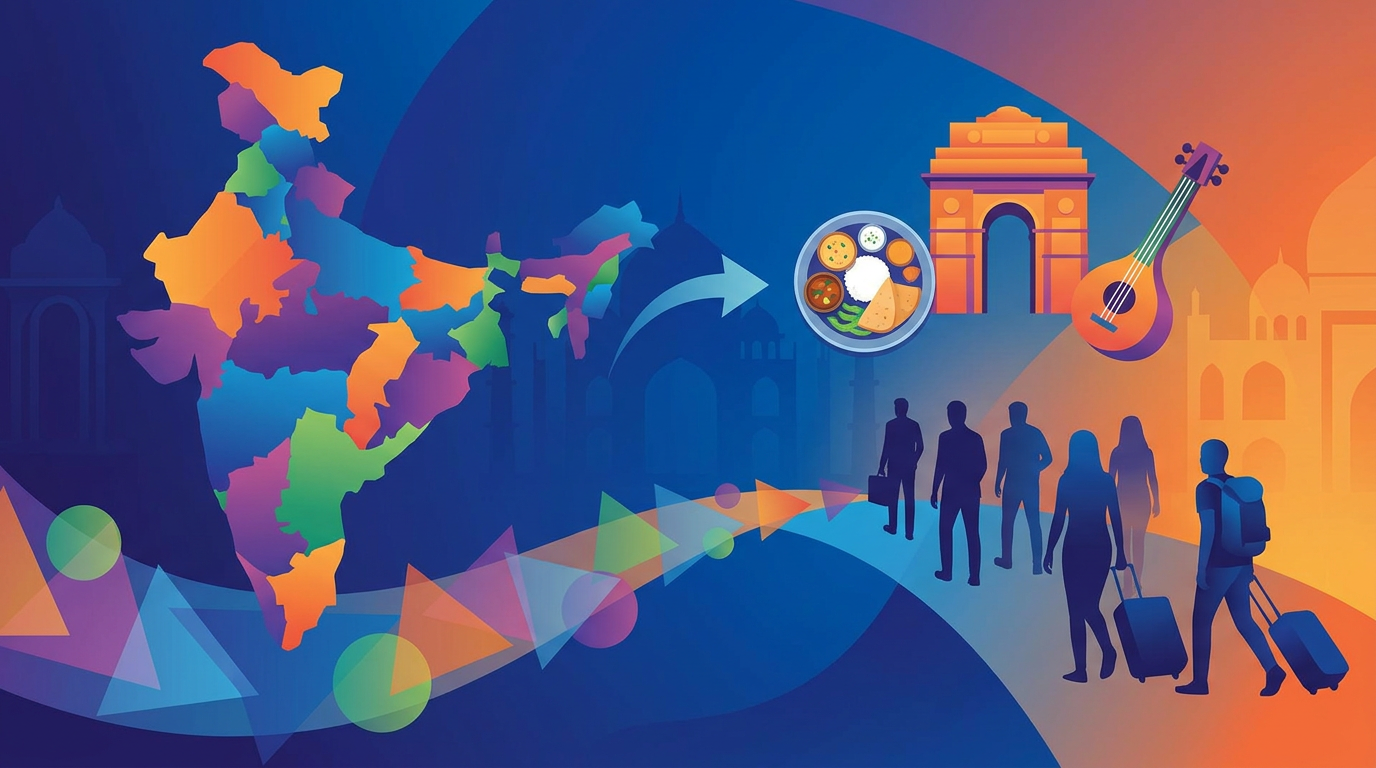
The traditional Indian holiday is undergoing a massive transformation as travelers move away from rigid itineraries toward more personal, culture-driven experiences. According to the Agoda 2026 Travel Outlook Report, a significant 67% of Indians are now planning their vacations specifically around heritage, local festivals, and culinary exploration. This shift signals a new era of 'inward wanderlust,' where domestic destinations are becoming the primary choice for adventure rather than just an alternative to international travel.
The Rise of Domestic Exploration Domestic travel has taken center stage in the Indian lifestyle, with 35% of travelers now prioritizing local trips over foreign ones. This is a notable increase from 25% just a year ago, showing that the allure of India's own hidden gems is growing. Travelers are increasingly seeking out secondary destinations to avoid heavy crowds and high costs associated with traditional tourist hotspots. According to the Agoda report, lower costs and unique cultural experiences are the top reasons driving people to explore within Indian borders.
Cities that were once considered quiet retreats are now seeing a surge in interest. Flight booking data from travel platform ixigo shows a 69% year-on-year growth for Udaipur, followed by Jodhpur at 47% and Bagdogra at 44%. Even regions like Srinagar and Agartala are recording double-digit increases as travelers look for hassle-free, nearby vacations that offer a sense of novelty.
Cultural and Spiritual Motivations For many Indians, travel in 2026 is no longer just about checking off a list of famous landmarks. The primary motivations for taking a trip are now relaxation (67%), outdoor activities (28%), and cultural exploration (26%). Interestingly, Indian travelers are leading the way in Asia for spiritual and religious journeys. This indicates a growing desire for purpose-driven travel that offers reflection and a deeper connection to one’s roots.
- Heritage Sites: Travelers are timing trips to coincide with local festivals and historical commemorations.
- Culinary Culture: Food is a major driver, with nearly 87% of people stating they will travel specifically to experience local cuisines, according to the Godrej Food Trends report.
- Spiritual Retreats: A rise in visits to temple towns and meditation centers across the country.
Gen Z and the Anti-Itinerary Trend India’s Gen Z is completely rewriting the rules of the road. A new Airbnb report titled 'Never the Same' reveals that this generation has retired the concept of the long, annual holiday. Instead, 7 in 10 Gen Z travelers prefer taking multiple short trips throughout the year. For them, travel is a reflexive response to stress or a spontaneous decision made over a weekend.
This demographic is also moving away from viral 'Instagrammable' spots. About 90% of Gen Z travelers say they actively seek out places that haven't been widely recommended online. They value 'slow travel,' often leaving parts of their itinerary completely blank to allow for spontaneous discovery. For these young travelers, the goal is to feel like themselves rather than just seeing the most popular sights.
The Stay as the Destination Where you sleep is now just as important as where you go. The Airbnb report highlights that 63% of Gen Z travelers have chosen a destination based entirely on a specific stay they found, such as a unique home or a heritage property. Nearly 78% of these travelers spend at least half of their total trip time at their accommodation, treating it as the highlight of the journey.
Group travel is also evolving. There is a 55% year-on-year growth in domestic group trips among young Indians. Rather than booking separate hotel rooms, more travelers are opting for shared homes. They prioritize common spaces like kitchens and terraces where they can cook together and have long conversations, making the social experience the core of the holiday.
Pivoting to Asian Hotspots While domestic travel is booming, international preferences are shifting due to geopolitical tensions in West Asia. Ongoing disruptions and airspace closures in the Gulf region have led many to look toward neighboring Asian countries. Vietnam has emerged as a top contender, with flight bookings soaring by 130% year-on-year according to ixigo.
Other destinations gaining traction include: * Nepal: Bookings up by 88%. * Sri Lanka: Growth of 68%. * Indonesia and Singapore: Both seeing over 30% increases.
These destinations offer visa-friendly policies and better value for money, making them attractive alternatives to traditional hubs like Dubai or Abu Dhabi. The shift suggests that Indian travelers are becoming more pragmatic, choosing destinations that offer smoother journeys and fewer logistical hurdles.
Technology and Budget Consciousness Value remains a top priority for the Indian traveler. Nearly half of the population (47%) aims to spend INR 5,000 or less per night on accommodation. To manage these budgets and plan more efficiently, the use of AI tools is on the rise. Travelers are using digital companions to find personalized deals, hidden gems, and to build flexible schedules that maximize their spending power.
This intentional era of travel is defined by a mix of smart planning and a deep curiosity for the unknown. Whether it is a luxury train journey through the countryside or a spontaneous weekend trip to a nearby hill station, Indians are exploring with more purpose and a stronger focus on their own cultural identity than ever before.
Frequently asked questions
›Why are Indians shifting toward domestic travel in 2026?
According to the Agoda 2026 Travel Outlook Report, 35% of Indians prefer domestic trips due to lower costs, fewer crowds, and a desire to explore unique cultural experiences within their own borders. Hidden gems and secondary cities are now outperforming traditional international hubs in terms of growth.
›What are the most popular domestic destinations in India right now?
Udaipur is leading the domestic boom with a 69% increase in bookings. Other high-growth areas include Jodhpur (47%), Bagdogra (44%), and Srinagar (41%). These locations are favored for their heritage, local culture, and ease of access compared to international travel during times of geopolitical tension.
›How is Gen Z changing the way Indians travel?
Gen Z is moving away from the annual long holiday, with 7 in 10 preferring three short trips instead. They prioritize spontaneity, often booking within days of travel. They also value 'slow travel' and 'stay-focused' trips where the accommodation itself is the main reason for the journey.
›What is driving the growth in international travel to Vietnam and Nepal?
Flight bookings to Vietnam have surged by 130% and Nepal by 88%. This shift is largely due to geopolitical tensions in West Asia, which have made travel through Gulf hubs like Dubai more complex and expensive. Travelers are choosing these Asian neighbors for better value and smoother logistics.
›How important is food in Indian travel planning?
Food has become a primary motivator for travel. The Godrej Food Trends report indicates that 87.1% of people plan to travel specifically to experience culinary cultures. Many travelers now plan their itineraries around local food festivals, heritage recipes, and unique dining experiences.
›What is the 'Anti-Itinerary' trend?
This trend, popular among younger travelers, involves leaving large parts of a trip unplanned. About 64% of Gen Z travelers deliberately avoid rigid schedules to allow for spontaneous exploration and rest. They value freedom and the ability to 'do nothing' over visiting every famous landmark.
›Are Indians using AI for travel planning?
Yes, the use of AI tools is a key trend for 2026. Travelers are using AI for inspiration, finding personalized deals, and planning budget-friendly itineraries. This technology helps travelers discover lesser-known destinations and ensures they get the best value for their spending.
›What is the average duration of an Indian holiday in 2026?
The average trip duration is now between 4 to 7 days. This reflects a shift toward shorter, more frequent getaways rather than one long annual break. These trips are typically spent with family (40%) or a spouse/partner (34%), emphasizing connection over distance.
›How much are Indians willing to spend on accommodation?
Budget consciousness is high, with 47% of Indian travelers planning to spend INR 5,000 or less per night on stays. This preference for value is driving the popularity of unique homestays and budget-smart hotels that offer authentic local experiences without a high price tag.
›Why is spiritual travel becoming more popular?
Indian travelers are currently the most likely in Asia to embark on spiritual or religious journeys. This trend is driven by a growing desire for reflection, connection, and purpose-driven travel, as people look for holidays that provide mental peace and a sense of heritage.
Sources referenced
- Culture-led travel takes centre stage as 67% Indians plan ...
- Agoda's 2026 Travel Trends Reveal India's New Era of ' ...
- "Never the Same" report reveals how India's Gen Z is ...
- #TheFutureOfFlavour: The future of Indian dining is already ...
- Travel trends 2026: Asian destinations are in high demand ...
- The Biggest Travel Trends of 2026