The Plate is the Passport: How Food is Redefining Indian Travel in 2026
New data reveals that 88% of Indian travellers now choose their holiday destinations based on local food culture and culinary experiences.
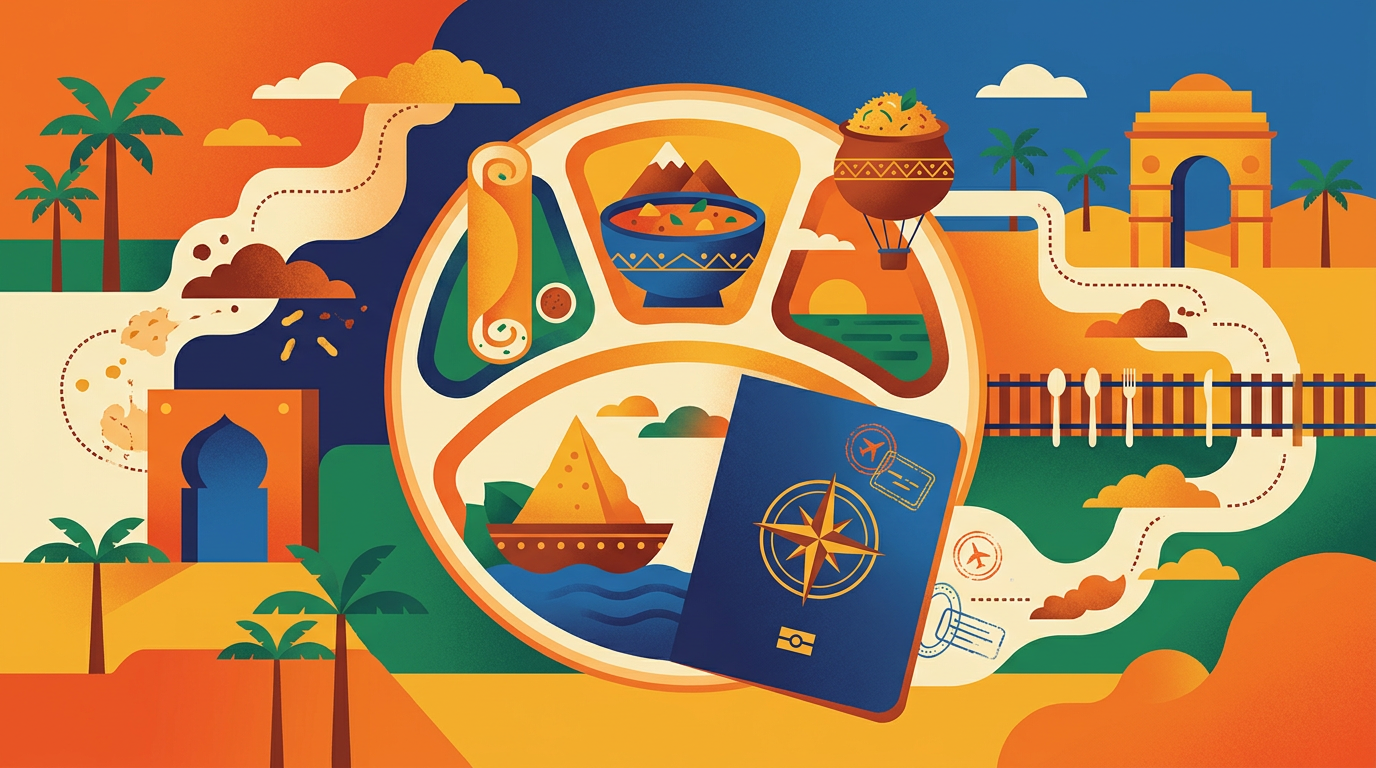
For many years, Indian tourists were known for carrying packets of ready-to-eat meals and pickles to avoid unfamiliar cuisines. Those days are officially over. Today, the plate has become the primary passport for the modern explorer. According to the latest Taste of Home study by Booking.com, food is no longer just a side note of a holiday; it is the main reason 88% of Indian travellers choose their travel destinations. From spice markets in Lucknow to cookware shops in Tokyo, the shift toward food-led exploration is transforming the national tourism landscape.
This evolution in travel and lifestyle trends India shows that people are moving away from generic sightseeing. Instead, they are looking for a deeper connection with local cultures through what they eat. The Godrej Food Trends report previously noted that over 87% of people intended to travel specifically for culinary culture. In 2026, this has manifested as 'grocery tourism,' where travellers spend more time in local supermarkets and pantry aisles than at famous monuments.
The Rise of Grocery Tourism and Local Markets
A striking new trend among Indian vacationers is the obsession with local ingredients. Data from The Hindu indicates that 84% of Indian travellers are now open to buying kitchen or pantry staples while on holiday. This isn't just about buying souvenirs; it is about bringing a piece of the destination's soul back to their own kitchens.
- Hyperlocal Shopping: Travellers are seeking out Bali’s supermarkets for unique sauces and Goa’s local bazaars for artisanal vinegars.
- Heirloom Cookware: There is a growing interest in traditional pots, pans, and kitchen tools from places like Japan or regional India.
- Specialty Items: Lucknow’s attar shops and regional spice markets are seeing a surge in visitors who want authentic, source-direct products.
Finance professionals and young workers alike are now maintaining 'Google Lists' specifically for food. These lists include everything from specific snack brands to types of raw honey, which they check off as they navigate new cities.
Why Indians are Choosing Holiday Homes Over Hotels
The traditional hotel stay is losing ground to holiday homes, driven largely by the desire to cook. About 36% of Indian travellers now book holiday homes specifically so they can access a kitchen. This allows them to experiment with local produce they find in markets, blending their own tastes with regional flavours.
According to the Booking.com report, 97% of Indian foodies change their eating habits when they travel. They aren't just looking for a meal; they are looking for an experience. By staying in a home with a kitchen, they can host slow dinners, try out new recipes discovered during the trip, and enjoy a sense of privacy that a crowded hotel dining room cannot provide.
Gen Z and the End of the Annual Holiday
India’s Gen Z is completely rewriting the rulebook for travel and lifestyle trends India. A new Airbnb report titled 'Never the Same' reveals that young Indians have retired the concept of the long, tightly-scheduled annual holiday. Instead, they prefer frequent, spontaneous bursts of travel.
- Frequency: 7 in 10 Gen Z travellers prefer taking three short trips over one long vacation.
- Duration: 87% of their trips now last less than a week.
- Spontaneity: 66% of these travellers book their trips within just a few days or weeks of departure.
For this generation, travel is an act of self-expression. They aren't interested in what is 'viral' or recommended by an algorithm. In fact, 90% of Gen Z travellers say they actively seek out destinations that have not gone viral online, preferring to discover 'hidden gems' on their own terms.
Culinary Choices Driving International Itineraries
When it comes to going abroad, food is the ultimate filter. Data from Pickyourtrail shows that 40% of Indian travellers now identify local cuisine as the primary factor when planning an overseas holiday. The 28-40 age group is the biggest driver of this 'gastronomic tourism,' but younger travellers aged 22-27 are catching up fast.
It is no longer enough to see the Eiffel Tower or the Burj Khalifa. Today’s traveller wants to know where to find the best street-side crepes or the most authentic mandi. Approximately 30-40% of travellers will not even finalise a destination until they have thoroughly researched its food culture. This shift has made food the new travel guide for the modern Indian family.
The Stay as the Main Event
For the modern traveller, the accommodation itself has become the destination. The Airbnb report highlights that 63% of Gen Z travellers have picked a destination simply because they liked a specific stay they saw online. They are looking for 'wishlist' homes—places with beautiful terraces for slow mornings or large living rooms for group bonding.
Group travel is also on the rise, with Airbnb reporting a 55% year-on-year growth in domestic group bookings among Gen Z. These travellers value 'uninterrupted time' with friends. The kitchen and the terrace are the new social hubs, where the most memorable moments happen over a shared meal rather than at a tourist landmark.
Takeaway
Indian travel has shifted from a checklist of monuments to a menu of experiences. Whether it is Gen Z seeking spontaneous getaways or families booking holiday homes to cook local produce, the focus is now on personalization and flavour. As food continues to lead the way, the tourism industry must adapt to a traveller who values a local grocery store just as much as a five-star view.
Frequently asked questions
›What percentage of Indian travellers choose destinations based on food?
According to a recent study by Booking.com, approximately 88% of Indian travellers now let food shape their choice of destination. Additionally, 82% of travellers admit to picking a specific place just to visit a particular restaurant or food spot, highlighting the massive influence of culinary culture on tourism.
›What is grocery tourism in the Indian context?
Grocery tourism refers to the growing trend where Indian travellers explore new destinations through local markets, supermarkets, and pantry staples. Around 84% of these travellers are open to buying local spices, snacks, and even heirloom cookware to bring back home as authentic souvenirs of their trip.
›How is Gen Z changing travel habits in India?
Gen Z has moved away from the traditional long annual holiday. Instead, 70% prefer taking multiple short trips throughout the year. They value spontaneity, with 66% booking trips just days in advance, and 90% prefer visiting places that have not gone viral on social media platforms.
›Why are holiday homes becoming more popular than hotels?
About 36% of Indian travellers prefer holiday homes because they offer private kitchens. This allows them to cook their own meals using local ingredients found in regional markets. Holiday homes also provide shared spaces like terraces and large living rooms, which are preferred for group bonding.
›Which age group is leading the culinary tourism trend?
The primary drivers of culinary tourism are travellers in the 28-40 age group. However, younger travellers aged 22-27 are rapidly adopting food-led travel, heavily influenced by social media creators and culinary content they consume online before planning their international and domestic itineraries.
›Do Indian travellers still prefer long vacations?
The trend is shifting toward shorter getaways. Data shows that 87% of Gen Z travellers prefer trips that last under a week. Domestic searches for shorter stays of 2-6 nights have grown by nearly 80%, reflecting a preference for quick, frequent escapes over long holidays.
›What do Indian travellers look for in a stay?
Modern travellers, especially younger ones, look for stays that reflect their personal taste. 82% say accommodation is extremely important. They prioritise features like shared kitchens, terraces for slow mornings, and enough space for group members to have their own corners while staying together.
›How much does food influence international travel plans?
Food is a major factor for 40% of Indians planning overseas trips. Nearly 30-40% of travellers actively research a destination's food culture before deciding where to go. They often plan their entire itineraries around visiting specific cafes, street food stalls, or local markets.
›Is social media still driving travel choices for Indians?
While social media is a big influence for younger millennials, a large portion of Gen Z is becoming 'anti-algorithm.' 90% of them seek out places that are not widely recommended or viral online, preferring personal discovery and unique, non-typical experiences over popular tourist traps.
›What are the top activities for Indian travellers on holiday?
Beyond eating at local restaurants, 84% of travellers enjoy shopping at local markets. Other top activities include slow travel in nature, culinary exploration, and adventure. Many also travel simply to 'do nothing,' choosing to rest and stay in their chosen holiday home.
Sources referenced
- #TheFutureOfFlavour: The future of Indian dining is already ...
- Booking.Com: Food Drives Travel Choices for Indian ...
- Meet India's culinary travellers chasing snacks, spices and ...
- Study Reveals How Food Became The Ultimate Travel ...
- "Never the Same" report reveals how India's Gen Z is ...
- Food Is The New Travel Guide! 40% Indian Travellers Plan ...
More in Lifestyle

Inward Wanderlust: Why 2026 is the Year of Culture-Led Travel in India
A new wave of Indian travelers is trading long international flights for local heritage, spiritual journeys, and spontaneous weekend escapes within their own borders.
Culture and Connection: How Indian Travel Trends are Shifting in 2026
A new era of 'inward wanderlust' sees 67% of Indians planning trips around heritage and food while Gen Z ditches the annual holiday for frequent, spontaneous getaways.
India’s 2026 Travel Shift: Why 67% of Indians are Planning Holidays Around Culture and Food
Indian travelers are moving away from traditional Gulf holidays toward domestic gems and Asian hotspots, driven by a desire for cultural depth and budget-friendly adventures.