The Roots & Rituals Revolution: Food, Travel and Lifestyle Trends India 2026
Indian travelers in 2026 are trading generic sightseeing for 'Grocery Tourism' and ancestral pilgrimages as domestic exploration hits an all-time high.
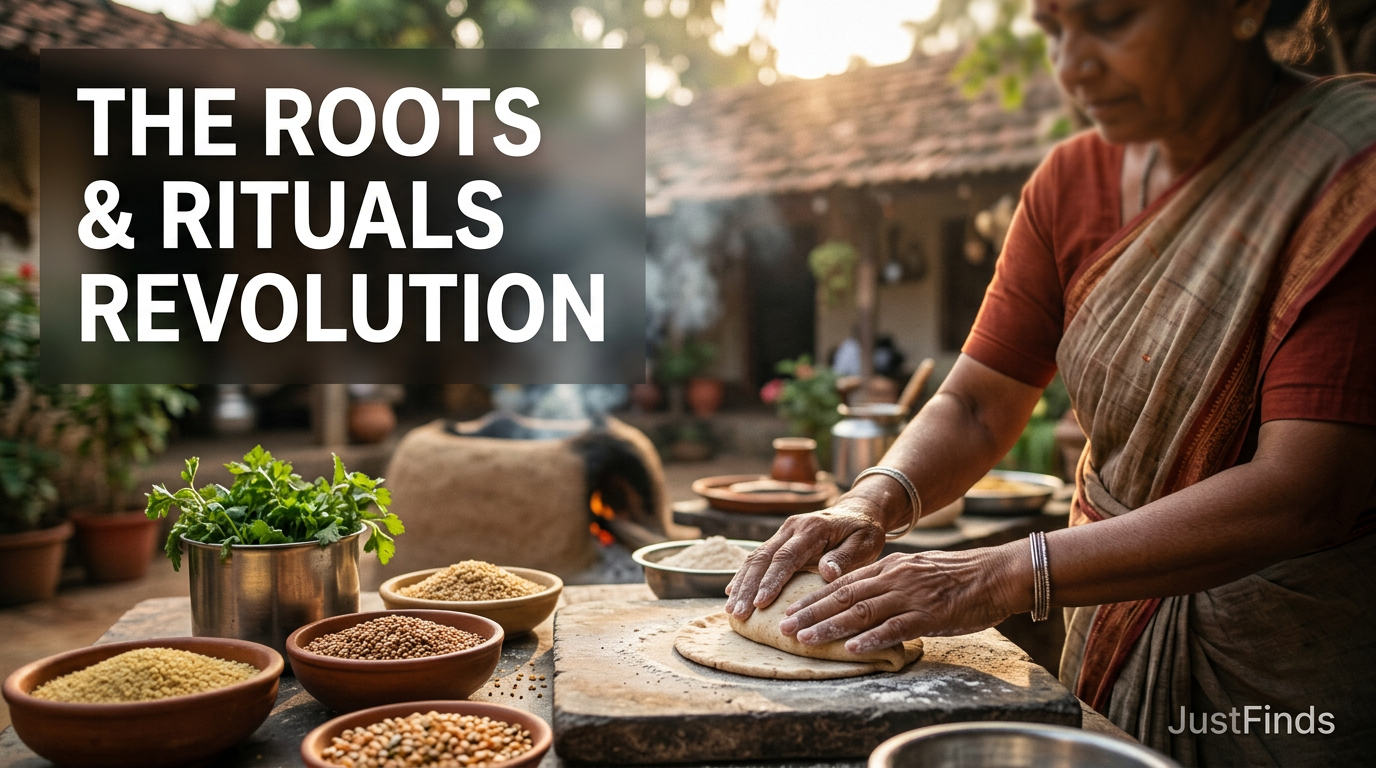
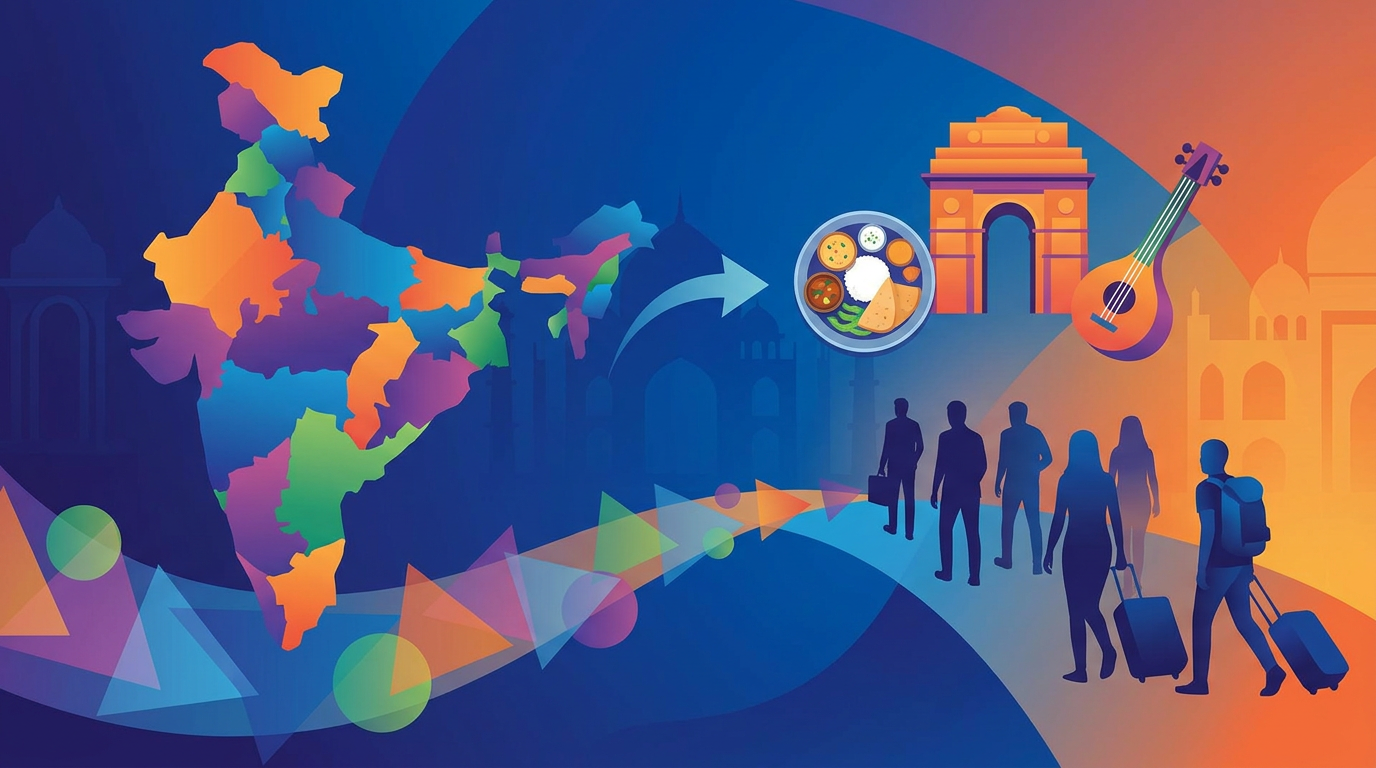
Indian travelers in 2026 are prioritizing personal heritage and regional authenticity over generic sightseeing checklists. Data shows that 67% of Indians now plan holidays specifically around ancestral festivals and hyper-local food, marking a shift toward deep cultural immersion.
The Indian lifestyle landscape is moving away from global homogenization toward a 'Roots & Rituals' revolution. This shift is visible in everything from the rise of specialized domestic circuits to the way families spend their discretionary income on heritage preservation through tourism.
The Rise of 'Inward Wanderlust': Why Domestic is the New International The narrative of Indian travel is shifting from passport stamps to pin-coding the hinterlands. With 35% of travelers now prioritizing domestic exploration—up from 25% just a year ago—the focus is on rediscovering the 'Bharat' within. Travelers are swapping the Swiss Alps for the high-altitude meadows of Gurez Valley or the backwaters of Kerala.
Frequent micro-travel is the new standard. Instead of one long annual vacation, families are opting for 4–7 day trips that offer a quick escape without the burnout of international logistics. This shift is driven by a desire for simplicity and accessibility.
Budget consciousness remains a key pillar of this domestic boom. Approximately 47% of Indian travelers seek accommodation priced under INR 5,000 per night, proving that luxury is being redefined as quality time rather than high-ticket stays.
The visa factor also plays a massive role in fueling the local market. While 84% of Indians say they would travel more if visa hurdles were removed, the current friction is pushing high-net-worth individuals to spend their luxury budgets on high-end domestic resorts and hidden heritage stays.
Actionable Advice: To maximize a domestic micro-trip, use the 'Hub and Spoke' model. Book a base stay in a secondary city like Mysore or Bhopal, then take day trips to surrounding villages within a 50km radius to find authentic crafts and food without the tourist-trap pricing.
Culinary Tourism 2.0: From Fine Dining to 'Grocery Tourism' Food is no longer a side note; it is the primary itinerary. According to the Godrej Food Trends Report, a staggering 87.1% of people now travel specifically to experience culinary culture, moving beyond restaurants to the very source of ingredients.
'Shelf Discovery' has emerged as a dominant trend. Travelers are hunting for heritage recipes and authentic street food that hasn't been commercialized. It is about finding the specific street corner that has served the same snack for three generations.
'Pantry Pilgrimages' are the new souvenir shopping. About 84% of Indians are now stocking up on local spices, cookware, and staples to bring home. The souvenir is no longer a magnet; it is a bag of high-quality grains or a hand-beaten brass kadhai.
Step-by-Step: Creating a Culinary Map 1. Identify Regional Hero Ingredients: Research specific items like Lakadong turmeric from Meghalaya or Bhoot Jolokia from Assam before you leave. 2. Digital Pinning: Use tools like Google Lists to mark local wholesale bazaars and spice markets that aren't on the typical tourist map. 3. Mandi Timing: Schedule your visits for early morning 'Mandi' hours to interact with farmers and catch the freshest produce arrival. 4. Luggage Planning: Always allocate 3-5kg of luggage space specifically for your 'Grocery Tourism' hauls to avoid shipping hassles.
The 'Glowmad' Movement: Wellness Beyond the Spa Burnout recovery has become a status symbol in 2026. Indian travelers are increasingly seeking 'Glowmad' status, which combines remote work with deep spiritual and physical healing rituals. This isn't just a weekend retreat; it's a total lifestyle recalibration.
We are seeing a transition from the quick 30-minute hotel massage to 14-day restorative rituals. The focus is on mental clarity and physical detoxification rather than just surface-level relaxation.
The Kerala Blueprint: * Step 1: Start with an initial consultation with an Ayurvedic Vaidya (doctor) to determine your body type. * Step 2: Follow a personalized 'Panchakarma' or detox schedule involving specific oils and therapies. * Step 3: Adhere to curated Sattvic diets tailored to your individual *doshas* to reset the gut-brain axis.
Mental clarity retreats are also peaking in the Himalayas. Silence retreats and participation in ancient spiritual rituals are helping professionals disconnect from the digital noise to find internal balance.
Actionable Advice: When booking a wellness stay, ask for a 'Digital Detox' package where the hotel holds your smartphone in a secure locker for 4 hours a day. This forced disconnection significantly improves the efficacy of meditation sessions.
Ancestry Travel: The Search for the Family Tree A unique trend for 2026 is the rise of DNA-linked pilgrimages. Travelers are visiting ancestral hometowns to bridge the gap between their modern lives and their family history.
Specialized operators now use government archives and local investigations to trace lineage back several generations. These are not just trips; they are investigative missions to find a house that no longer exists or a temple a great-grandfather frequented.
Emotional itineraries are built around these findings. A traveler might take a walking tour designed around their grandmother’s old school or visit a patch of ancestral farmland that has been in the family for a century, documenting oral histories along the way.
Actionable Advice: Before visiting an ancestral village, visit the local 'Panchayat' office or the oldest temple in the area. These locations often house handwritten records or 'Vanshavali' (family trees) that can provide specific names and dates for your lineage research.
Comparison of Emerging Travel Personas
| Persona | Primary Motivation | Key Destination Types | Average Duration | Typical Activity | | :--- | :--- | :--- | :--- | :--- | | Glowmads | Wellness & Recovery | Ayurvedic Hubs / Himalayas | 10–14 Days | Panchakarma & Meditation | | Set-jetters | Media Inspiration | Film & Period Drama Locales | 4–7 Days | Location Scouting & Photography | | Ancestry Travelers | Heritage & Lineage | Ancestral Villages / DNA Sites | 5–9 Days | Archival Research & Oral History | | Grocery Tourists | Culinary Authenticity | Local Bazaars / Farm Stays | 3–5 Days | Spice Shopping & Cooking Classes |
High-Speed Nostalgia: The Luxury Train Revival While budget travel grows, there is a parallel surge in ultra-luxury rail demand. High-net-worth individuals are seeking the slow-travel movement, with 67% of this demographic prioritizing relaxation over hectic sightseeing.
The most ambitious of these is the 'Around the World By Luxury Train' itinerary. This 60-day odyssey costs approximately $130,000 (£95,000) and allows travelers to traverse continents in a moving five-star hotel.
Indian travelers are increasingly booking back-to-back luxury rail lines. This allows them to link different regions or countries without the stress of airports, turning the transit itself into the most memorable part of the holiday.
Actionable Advice: For a domestic luxury rail experience, book the 'Deccan Odyssey' or 'Maharajas' Express' during the shoulder season (September or March) to get up to 20% off standard rates while avoiding the peak winter crowds.
Tech-Enabled Exploration: AI and the Future of Planning Indian travelers have become the leading adopters of AI tools for personalized inspiration. These tools are no longer just for booking flights; they curate hyper-personalized itineraries based on niche interests.
For example, 'Set-jetting' is being powered by AI. Travelers use these tools to find the exact filming locations of period dramas like *Pride and Prejudice* or *Wuthering Heights*. The technology handles the logistics of reaching these often-remote settings.
Airports are also evolving. The 2026 trend sees pre-security zones transforming into vibrant social hubs. These spaces are becoming lifestyle centers where travelers actually want to linger, eat, and socialize before they even check in.
Actionable Advice: Use AI prompts that specify your dietary restrictions and walking speed. Instead of asking for a "Delhi tour," ask for a "3-hour gluten-free walking tour of Old Delhi that covers less than 2 kilometers," to get a plan that actually fits your physical needs.
Industry Expert Recommendation: Stop treating travel as a checklist. If you are starting out, try 'Grocery Tourism' first—it is the most accessible way to connect with a new culture. Buy a local spice you've never heard of and ask the vendor for a recipe; that five-minute conversation often provides a deeper travel experience than any five-star monument tour.
Frequently asked questions
›What is 'Grocery Tourism' in the Indian context?
It is a 2026 trend where travelers visit local supermarkets and traditional bazaars to buy authentic regional ingredients. Instead of typical souvenirs, 84% of Indians now prefer bringing home local spices, heritage grains, or traditional cookware to recreate regional flavors in their own kitchens.
›Who exactly are 'Glowmads'?
Glowmads are travelers who combine remote work with deep wellness practices. They prioritize burnout recovery, mental clarity, and physical healing. In India, this often involves long-term stays in Kerala for Ayurvedic rituals or heading to the Himalayas for silence retreats and spiritual grounding.
›How much are Indian travelers spending on hotels in 2026?
Budget consciousness is significant, with 47% of Indian travelers aiming to spend INR 5,000 or less per night on accommodation. This trend highlights a preference for value-driven domestic stays over expensive international luxury, focusing funds instead on local experiences and food.
›What does 'Set-jetting' mean for Indian travelers?
Set-jetting involves planning trips to locations featured in popular movies or period dramas. Indian travelers are increasingly using AI to find filming sites for classics like Wuthering Heights or Pride and Prejudice, turning fictional landscapes into real-world travel itineraries for 2026.
›What is the average duration of an Indian holiday in 2026?
The trend has shifted toward shorter, more frequent 'micro-travel' sessions. Most Indian travelers now opt for trips lasting between 4 to 7 days. This allows for regular domestic escapes without the extensive planning or time commitment required for traditional long-haul vacations.
›How does Ancestry Travel work?
Travelers visit their ancestral hometowns or DNA-linked regions to reconnect with their heritage. Specialized operators assist by digging through government archives and conducting local investigations to find family landmarks, helping travelers build their family trees and document disappearing oral histories.
›Is domestic travel really more popular than international travel now?
Yes, there is a clear pivot toward 'inward wanderlust.' Currently, 35% of Indian travelers prioritize domestic exploration over going abroad. This is a notable increase from 25% in previous years, driven by a desire for cultural immersion and easier logistics.
›What are the main reasons Indians are traveling in 2026?
Relaxation is the top driver for 67% of travelers. This is followed by outdoor adventure at 28% and cultural exploration at 26%. The overarching theme is 'Roots & Rituals,' where people seek meaningful connections with history, food, and heritage.
›What is the 'Around the World By Luxury Train' experience?
This is an ultra-luxury 60-day journey that links various high-end rail lines globally. It costs approximately $130,000 (around £95,000). It caters to the slow-travel movement, allowing wealthy travelers to see the world in a relaxed, five-star environment.
›Are Indians using AI for their travel planning?
Indian travelers are leading the way in adopting AI tools for personalized trip inspiration. They use these platforms to curate niche itineraries, overcome language barriers in rural areas, and find specific cultural sites that traditional travel agencies might overlook.
Sources referenced
- #TheFutureOfFlavour: The future of Indian dining is already ...
- 84% Indians prioritise culture-led travel within India
- Booking.Com: Food Drives Travel Choices for Indian ...
- Meet India's culinary travellers chasing snacks, spices and ...
- The biggest travel trends of 2026
- Agoda's 2026 Travel Trends Reveal India's New Era of ' ...
- The Biggest Travel Trends of 2026
- What will travel look like in 2027? According to industry ...
More in Lifestyle
The Plate is the Passport: How Food is Redefining Indian Travel in 2026
New data reveals that 88% of Indian travellers now choose their holiday destinations based on local food culture and culinary experiences.
Inward Wanderlust: Why 2026 is the Year of Culture-Led Travel in India
A new wave of Indian travelers is trading long international flights for local heritage, spiritual journeys, and spontaneous weekend escapes within their own borders.
Culture and Connection: How Indian Travel Trends are Shifting in 2026
A new era of 'inward wanderlust' sees 67% of Indians planning trips around heritage and food while Gen Z ditches the annual holiday for frequent, spontaneous getaways.
India’s 2026 Travel Shift: Why 67% of Indians are Planning Holidays Around Culture and Food
Indian travelers are moving away from traditional Gulf holidays toward domestic gems and Asian hotspots, driven by a desire for cultural depth and budget-friendly adventures.